
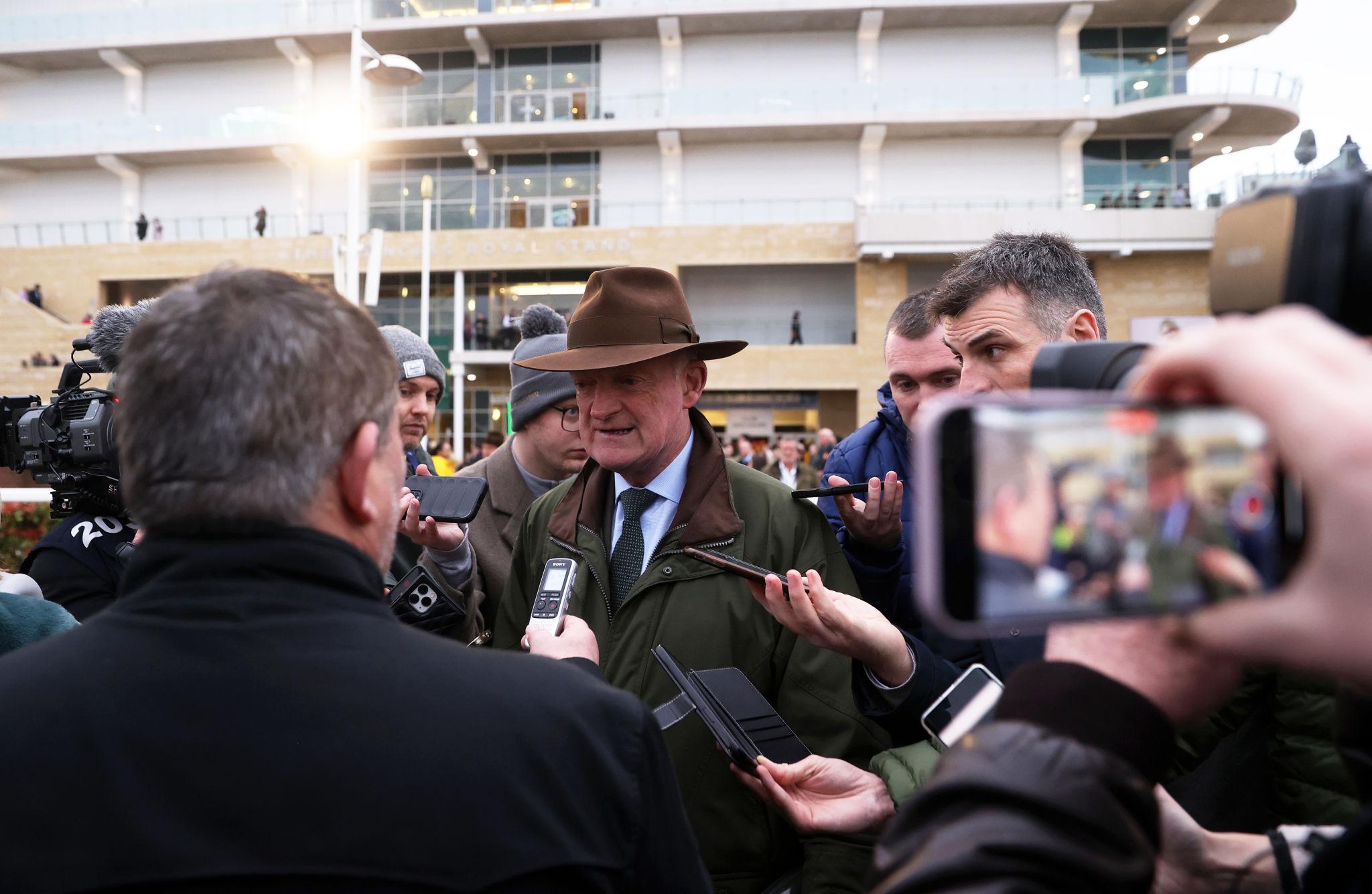
To a reader, a horse-racing newspaper article may appear simple. A race has taken place, a horse has won and a journalist has written about it.
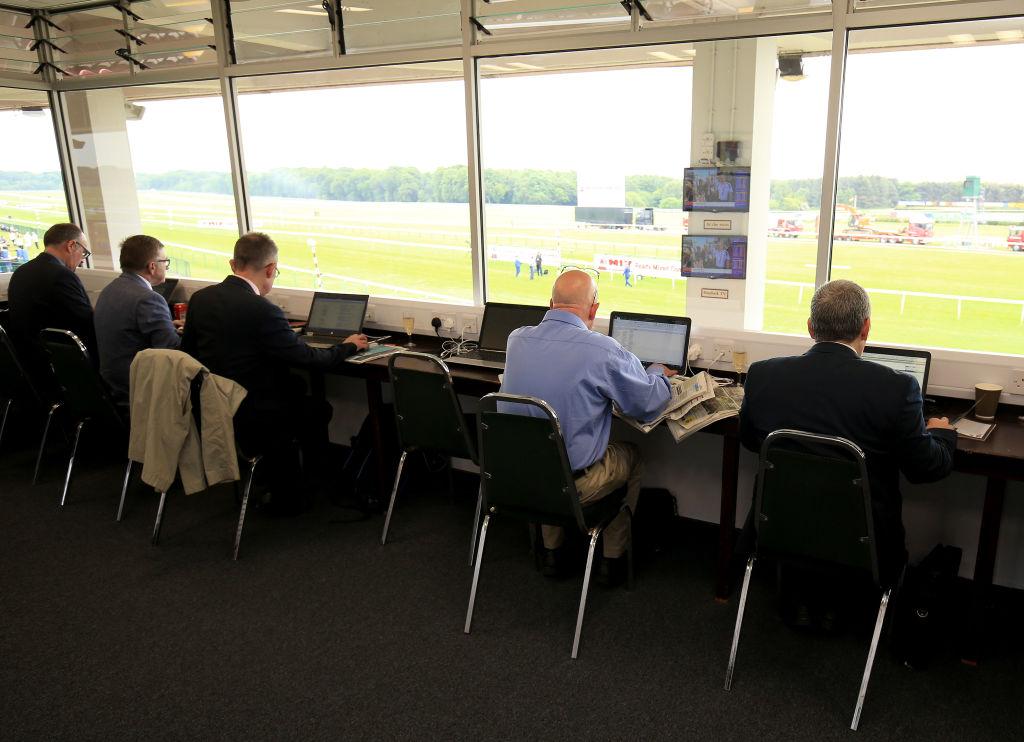
Behind that final article, however, lies a much more complicated process.
A race meeting can require journalists to monitor information for hours before the first race, communicate with sources, track changing conditions, gather observations, confirm results and make rapid editorial decisions. When the final copy reaches a newspaper or website, much of that work is invisible.
The racing newsroom is therefore one of the more specialized environments in sports journalism.
The working day begins before the first race
Racing journalism starts well before horses enter the track.
Editors and reporters begin by examining the day’s program. They identify important races, notable runners and stories that could attract wider attention.
A major metropolitan meeting may contain several races, but not every race will receive equal coverage.
The newsroom might flag a feature race as the main story while assigning shorter reports to supporting events. It may also prepare background material about prominent jockeys, trainers or horses.
At this stage, journalists are building a coverage plan.
Information is gathered from multiple sources
Official race information is only one part of the process.
Journalists may monitor race clubs, trainers, jockeys, owners, stewards, weather reports, track staff and established racing contacts.
Some information can be confirmed quickly. Other information requires additional checking.
For example, a change to track conditions can have a direct impact on how a race is understood. A late jockey replacement can become an important piece of race-day news. A horse being withdrawn can affect the shape of a major event.
Racing journalism therefore involves continuous monitoring.
The reporter at the course
On-course reporting provides something that data alone cannot.
A journalist physically present at the racecourse can observe the atmosphere, watch horses in the mounting yard and speak directly with people involved in the meeting.
These observations can add texture to a story.

The noise of the crowd, the condition of the track, the behaviour of horses before a race and the reaction after a close finish can all help describe what happened.
Two reports can contain the same official result and still feel very different because one journalist was able to provide meaningful context.
Race time creates a different rhythm
Once racing begins, the pace of journalism accelerates.
The newsroom needs accurate information quickly. Results arrive one race at a time, and journalists must decide what deserves immediate attention.
A straightforward victory may require only a brief result report. A dramatic finish, controversial incident or unexpected performance could require a much longer article.
The reporter must also avoid writing too quickly based on incomplete information.
The first version of an article may describe what happened on the track. Later updates can add official comments, interviews and additional context.
The interview stage
Post-race interviews can transform a result into a story.
A journalist may speak with a winning jockey, trainer or owner. The questions can range from race tactics to the horse’s preparation and future plans.
The most useful interviews do more than collect congratulations.
They reveal decision-making.
Why was a particular riding tactic used? Did the horse perform as expected? Was the track condition a concern? Is the horse likely to contest another major race?
Good questions allow readers to understand the thinking behind the performance.
The editor’s role
The racing reporter does not work alone.
Editors shape the final product by deciding which stories deserve prominence and how much space they should receive.
This is especially important during major racing carnivals when there may be dozens of possible stories competing for attention.
An editor might select a dramatic race as the lead article, place a human-interest feature alongside it and use a separate section for results and statistics.
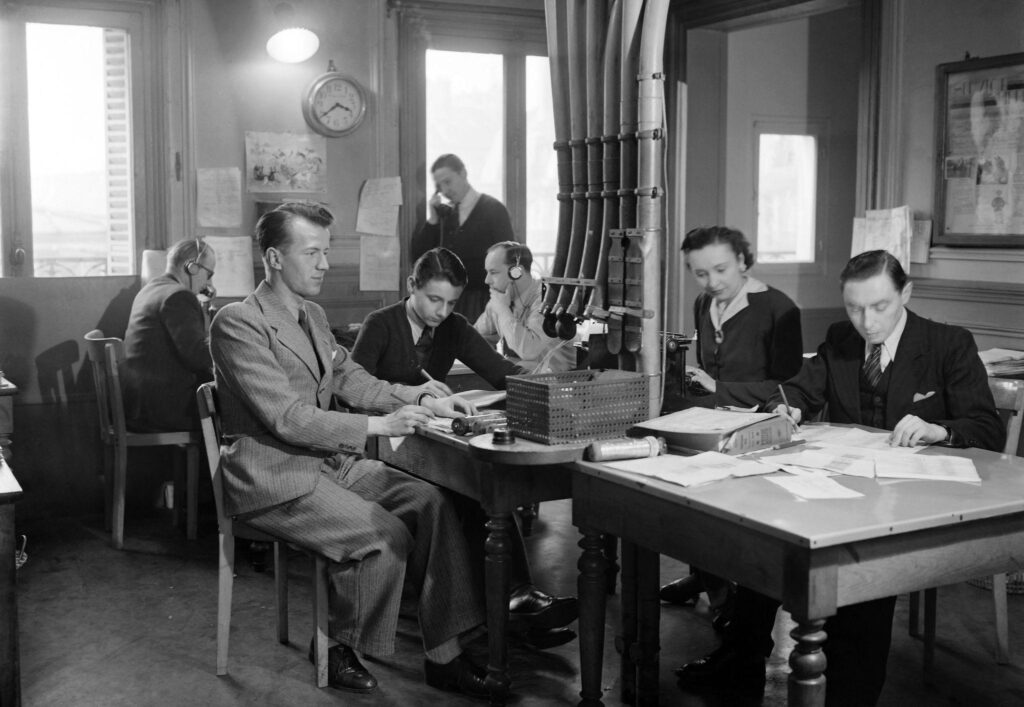
Digital editors face another challenge: publishing information quickly while maintaining clarity.
The headline, image, article length and placement can all affect how the audience discovers the story.
From notes to finished article
The writing process is more than simply describing the result.
A useful racing article normally answers several basic questions.
What happened?
Who was involved?
Why was the result important?
What was unusual or significant?
What could happen next?
The reporter combines official information with direct observation and interviews to answer those questions.
A race report that simply lists the finishing order may be accurate, but it may not explain why the race deserves attention.
Journalism provides the interpretation around the result.
Verification matters
Horse racing produces plenty of fast-moving information, which makes verification particularly important.
Names must be correct. Finishing positions must be confirmed. Quotes must be accurately attributed. Race details should match official records.
A small mistake can undermine confidence in an entire article.
This is especially important in digital publishing, where an incorrect story can spread quickly through social media before an editor has time to correct it.
For specialist racing publications, credibility is a long-term asset.
The article continues after publication
The newsroom’s work may not end when an article goes live.
Readers can respond through social media, comments, email and other channels. New information can require updates.
A race meeting can also generate follow-up stories the next day.
A horse that surprises observers today may become a subject of form analysis tomorrow. A jockey’s performance may lead to a feature interview. A significant win may change the direction of a horse’s campaign.
In this way, one race can become the beginning of several articles rather than the end of one.
Why the newsroom matters
A racecourse produces the sporting event.
The newsroom produces the public narrative around that event.
That distinction is important.
Thousands of people may watch a race, but journalism determines what information becomes part of the wider conversation. Reporters preserve the details, editors organize them and media platforms distribute them.
The modern racing newsroom may use computers, smartphones, video equipment, social platforms and real-time data rather than stacks of paper and printing presses.
But the basic mission is familiar.
Take what happened at the track and turn it into a reliable, understandable story for people who were there—and for the much larger audience who were not.