
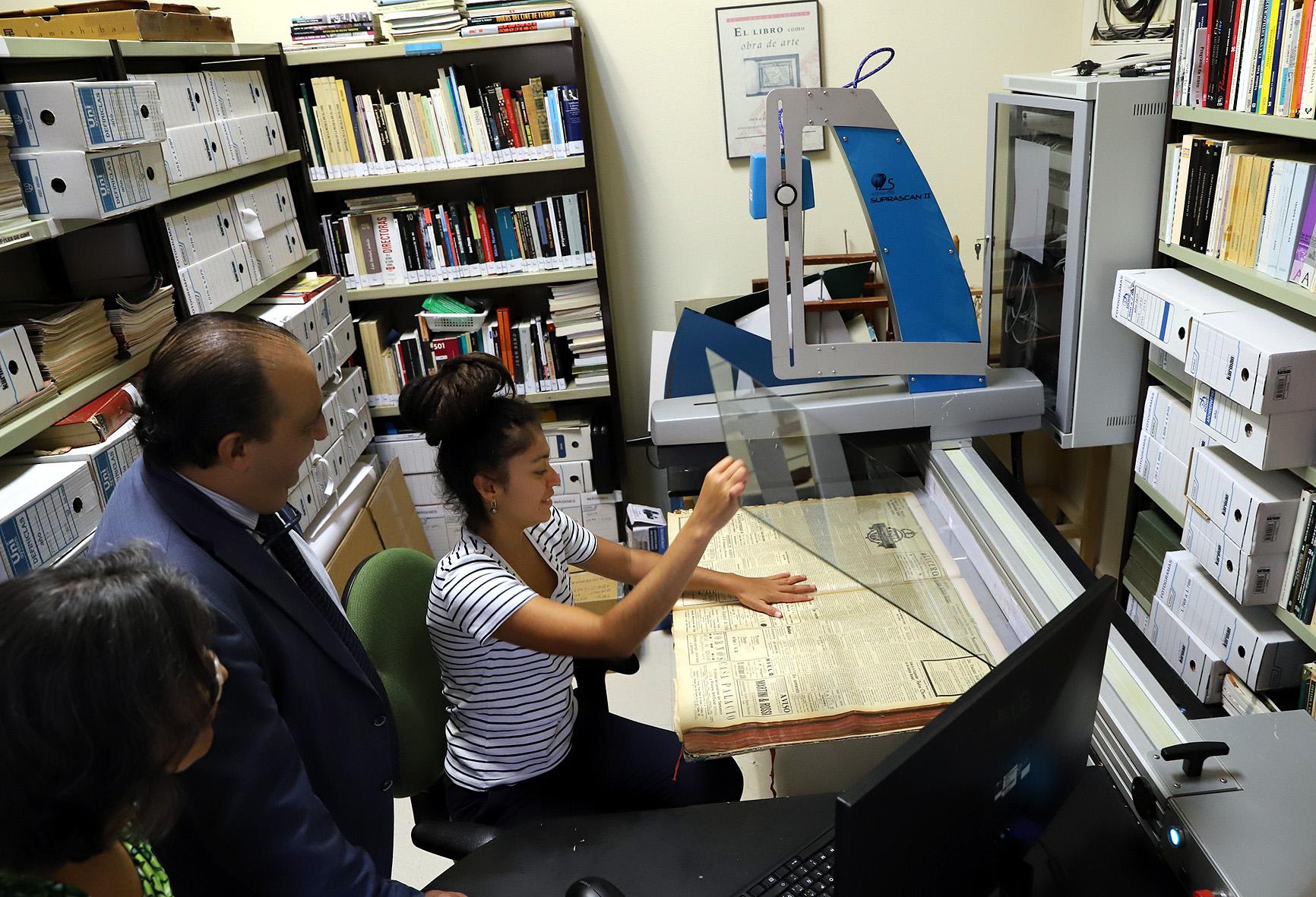
Horse racing is built around moments that can disappear quickly.
A race lasts minutes. A winning celebration may last only a few hours. A jockey may move to another stable. A trainer may retire. A racecourse may eventually change.
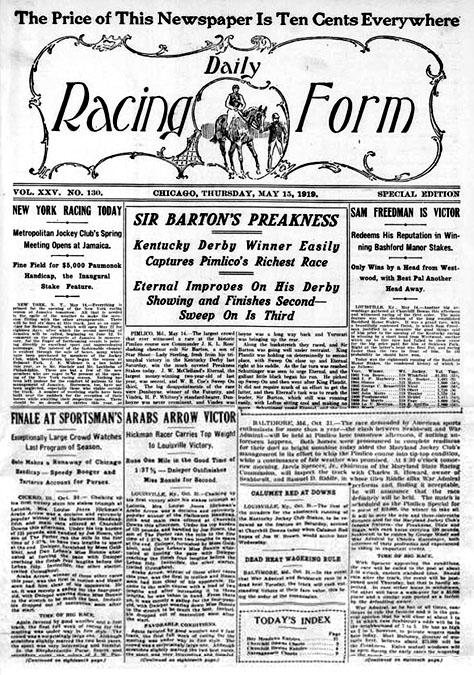
Journalism gives those moments a permanent record.
Newspapers have played an important role in preserving racing history by documenting results, personalities, controversies, major victories and changes within the industry. Their pages became historical records long after the original events had passed.
Today, digital databases and online publications are extending that archive into a new era.
Newspapers created a record of every generation
One of the greatest strengths of newspaper journalism is repetition.
A single edition records one day.
Thousands of editions can record decades.
Over time, those individual reports form a detailed record of the racing world.
Historical newspaper archives can reveal which horses attracted attention, which jockeys were emerging, which trainers dominated different periods and how major races were discussed when they actually happened.
This is different from modern retrospective history.
The newspaper captures the contemporary reaction.
The importance of race reports
A race report can seem ordinary at the time it is written.
Years later, it can become a historical document.
The report records the field, the result, the circumstances of the race and the reactions of the participants.
When a horse later becomes famous, earlier reports may suddenly become more interesting.
Readers can trace how the horse was perceived before achieving major success.
Journalism therefore preserves not only what happened but what people thought about it at the time.
Photographs become historical evidence
The visual archive is equally important.
Newspaper photographs preserve the appearance of racecourses, uniforms, crowds, jockey equipment and racing personalities.
They also document change.
A modern racecourse may look very different from the same venue several decades earlier.
Buildings, grandstands, signage and crowd behaviour can all evolve.
Photography captures those changes without requiring a written explanation.
The people behind the archive
Racing history is often remembered through famous horses and major races, but newspapers can preserve the stories of the people who worked around them.
Trainers, jockeys, breeders, owners, administrators, photographers, journalists and stable staff all contribute to the history of the industry.
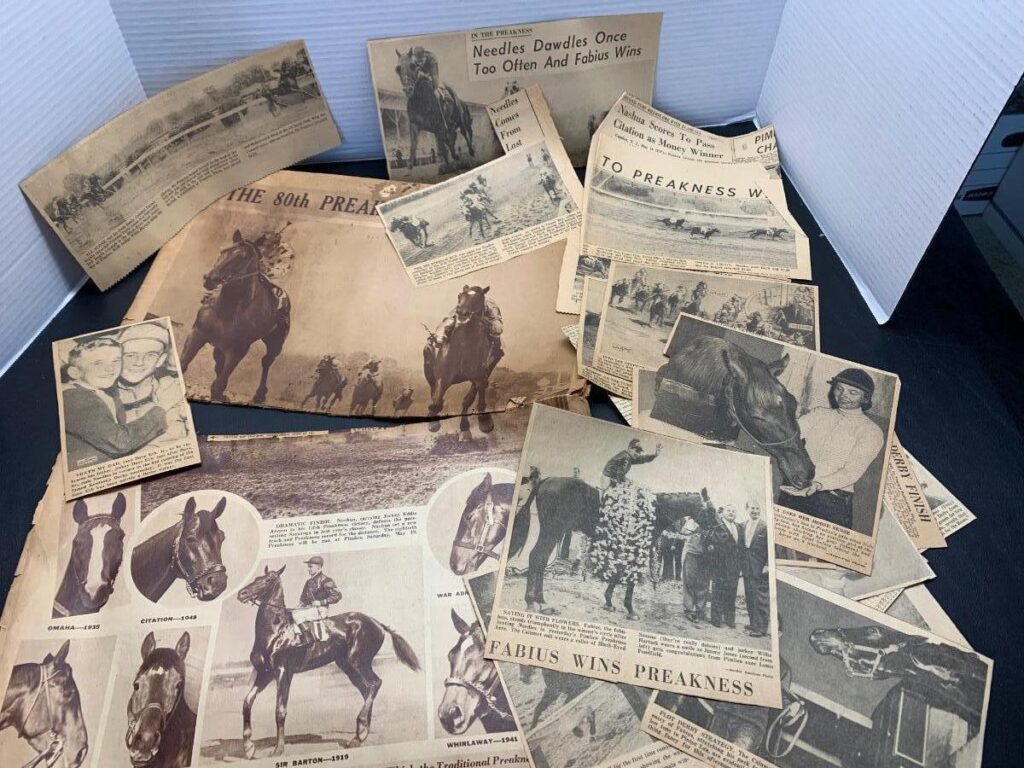
A profile written during someone’s career can become valuable decades later.
It may provide details that are absent from official records.
In this sense, journalism creates a broader history than statistics alone can provide.
Controversy and debate
Newspapers also preserve the disagreements surrounding racing.
Stewards’ decisions, disputes, controversial rides and debates about the sport can become part of the historical record.
These articles are useful because they show how issues were discussed at the time.
Later generations can compare those debates with how the sport has developed.
A responsible archive should therefore preserve different perspectives rather than only celebratory stories.
Archives help explain change
Horse racing evolves constantly.
Training methods change. Media technology changes. Racecourses are redeveloped. Rules can change. Audience habits change.
Newspaper archives provide evidence of those transitions.
A researcher can follow the development of racing journalism itself by comparing older printed coverage with modern digital reporting.
The archive becomes a record not only of racing but of the media industry surrounding it.
The digital archive is expanding
Digital publishing has made archival access easier in many cases.
Old material can be digitized, indexed and searched.
Modern stories can also be archived immediately.
This creates continuity between past and present.
A reader interested in a major race can potentially move from today’s coverage to historical reports, photographs and previous editions.
That transforms the racing website into something more than a news source.
It becomes a reference library.
Journalism provides context that statistics cannot
A database can tell us that a horse won.
An article can tell us what that win meant.
It can describe the atmosphere, the expectations, the personalities involved and the wider circumstances.
This narrative material gives meaning to the numerical record.
That is why archival journalism remains valuable even in an era of sophisticated racing databases.
The numbers tell us what happened.
The journalism helps explain how the event was experienced.
Why racing media has long-term value
News coverage is often created for immediate consumption.
Yet some of its greatest value appears later.
A report that receives modest attention on publication day can become important when a horse, jockey or trainer becomes historically significant.
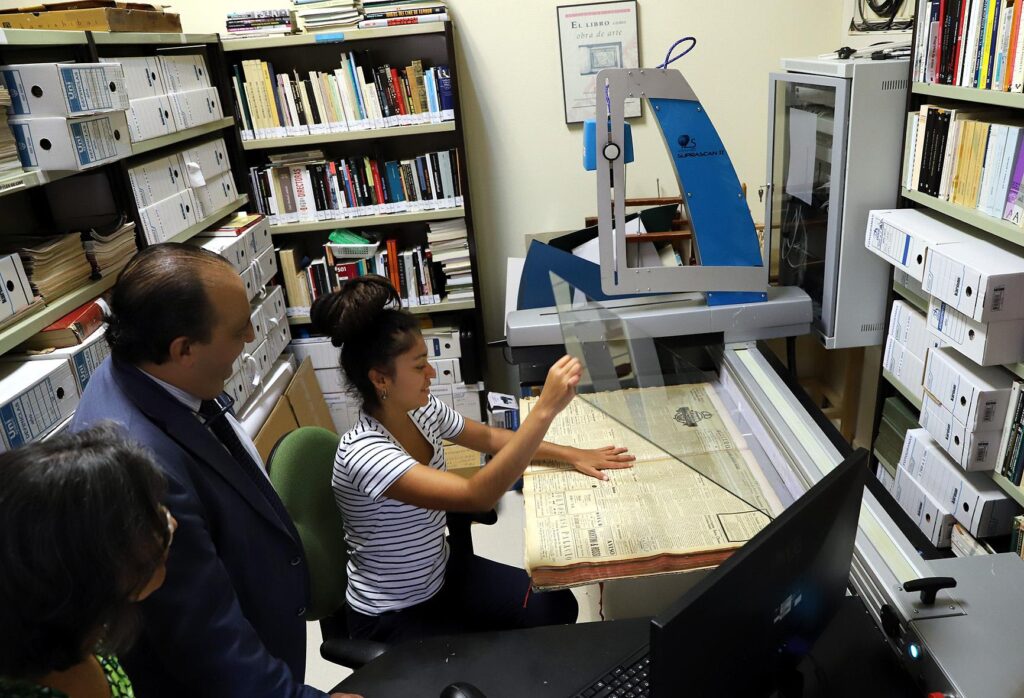
An image that accompanies a small local story may eventually become the only widely available photograph of a particular moment.
This is one reason serious journalism matters.
The journalist is not only serving today’s reader.
The journalist is also creating part of tomorrow’s archive.
The archive belongs to the sport’s cultural history
Horse racing is more than a sequence of results.
It is a culture with traditions, places, personalities and memories.
Newspapers helped preserve that culture by recording it continuously.
Modern digital publishers now have the opportunity to continue the work on a much larger scale.
Articles, photographs, interviews, videos and databases can exist together as a living archive.
That archive helps future readers understand not only who won races, but what horse racing looked like, sounded like and meant to people at different points in its history.
And that may be one of journalism’s most lasting contributions to the sport.