
Horse racing once depended heavily on the printed page.
Today, the audience may encounter a race through television, websites, mobile notifications, video platforms, podcasts and social media before ever opening a traditional newspaper.
This transformation has not eliminated racing journalism.
Instead, it has expanded it.
The principles of reporting remain largely familiar, but the number of formats has increased dramatically. A modern racing story can now move across several media channels within the same day.
From paper to live coverage
Traditional newspapers operated on a schedule.
A race could take place in the afternoon and appear in print the following morning.
The audience therefore experienced the event with a delay.
Modern digital platforms have changed the timing completely.
Results can be published almost immediately. Journalists can post observations during the meeting. Video interviews can appear shortly after a race.
The story no longer has to wait for the next edition.
Television changed the experience
Broadcasting added something that newspapers could not provide: moving pictures.
Viewers could watch the race itself, listen to commentary and see interviews after the result.
This made the racecourse accessible to audiences far beyond the people physically attending.
Journalism also changed with television.
Reporters had to think in terms of visual storytelling, live interviews and short explanations that could fit within broadcast schedules.
The racing newsroom increasingly became connected to the production studio.
The modern broadcast team
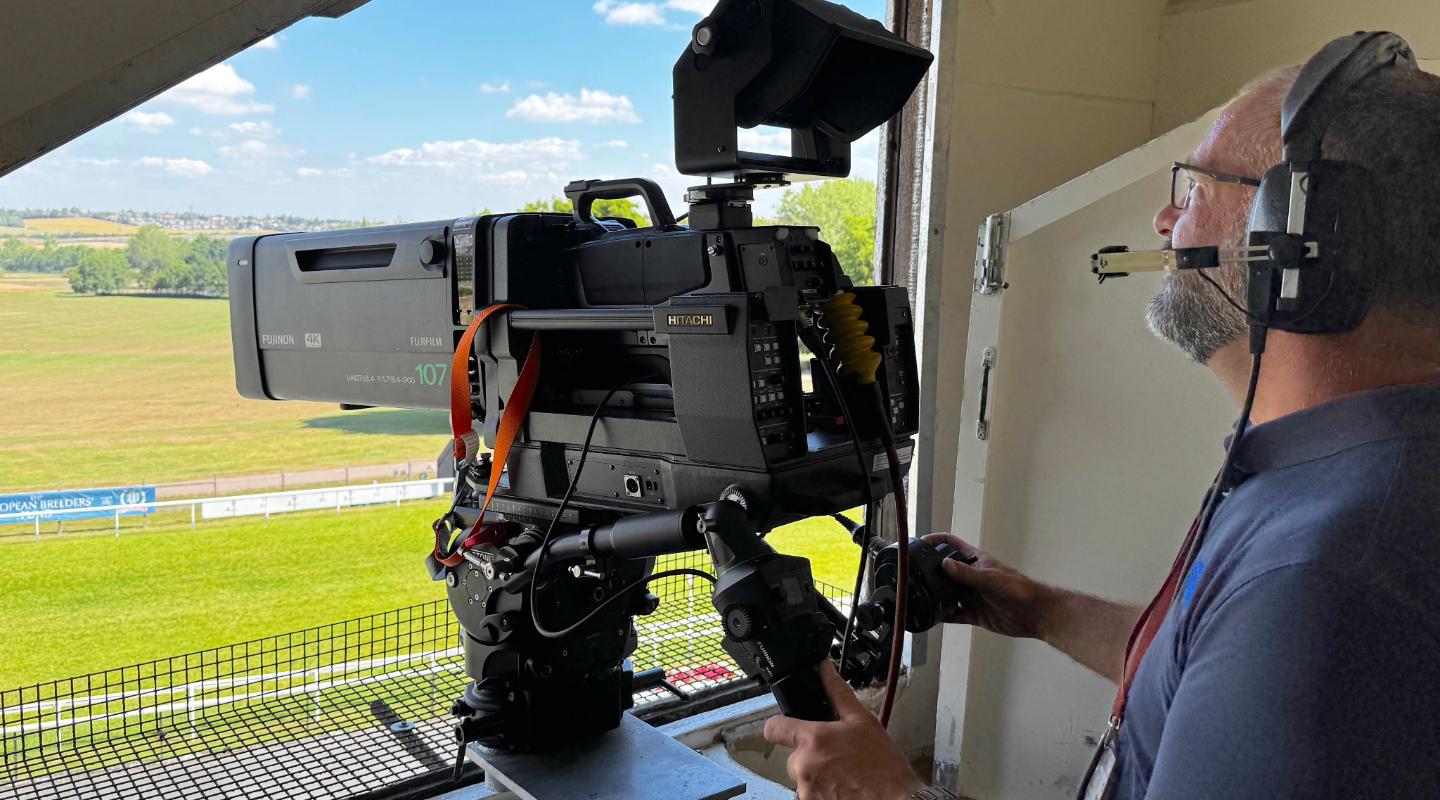
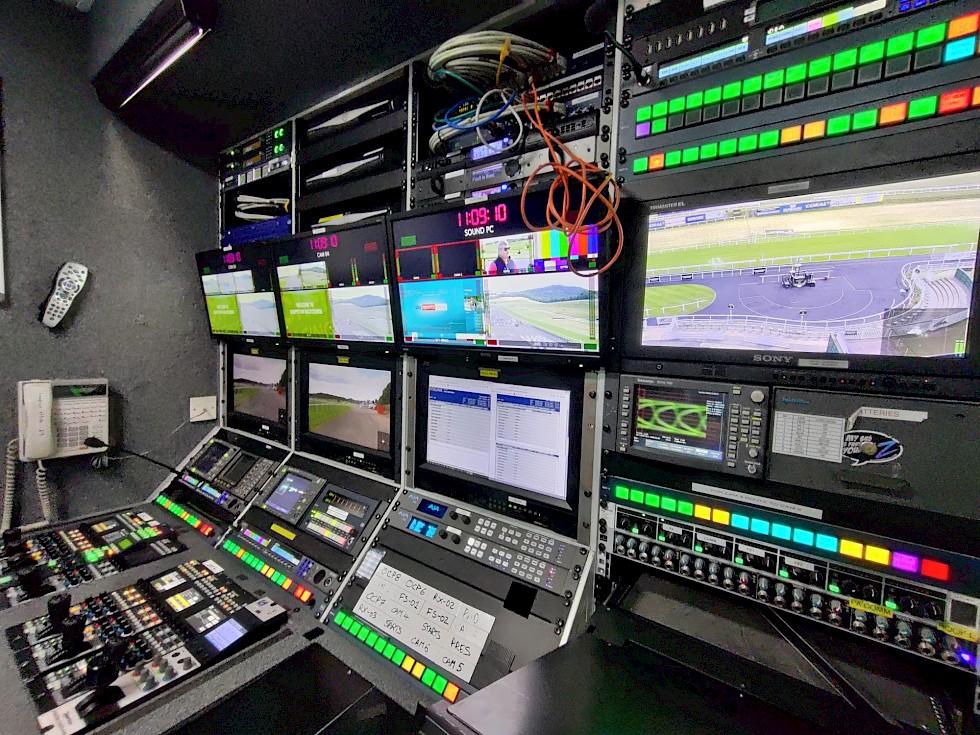
A televised racing program involves many different specialists.
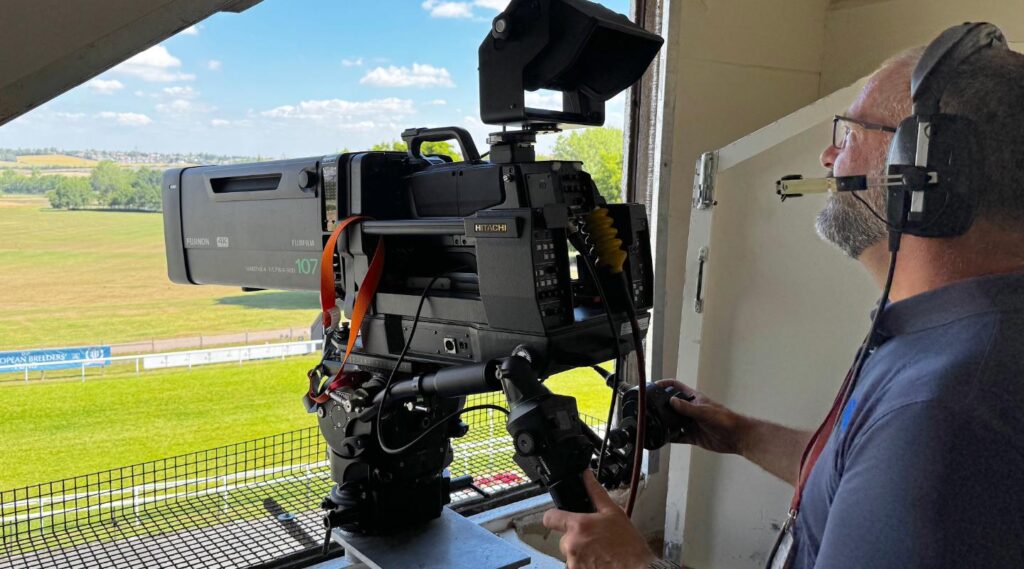
Presenters introduce the event. Commentators describe the race. Reporters conduct interviews. Camera operators capture the action. Producers coordinate timing. Editors prepare supporting material.
The result is a collaborative form of journalism.
The audience may see only the presenter on screen, but a large team is contributing to the final product.
Digital video changed expectations again
Online video gave racing media another opportunity.
Instead of waiting for a television program, audiences could watch short interviews and race clips whenever they wanted.
This encouraged a different production style.
Long-form analysis could coexist with short clips.
A trainer interview could be cut into shorter segments for social media.
A major race could generate post-race reaction, tactical analysis and behind-the-scenes material.
One event could therefore support hours of digital content.
Podcasts created a new conversational format
Audio has also become increasingly useful to sports journalism.
Podcasts allow racing experts, journalists and guests to discuss events in greater depth.
Unlike a short newspaper article, an audio program can spend significant time exploring a race or broader industry issue.
The format is particularly suitable for audiences who consume media while travelling, exercising or working.
It also allows personality to become part of the journalism.
Listeners begin to recognize presenters and contributors, creating a stronger sense of familiarity.
Social media changed distribution
Social platforms have transformed how audiences discover racing news.
A newspaper once depended on its front page and physical distribution.

A digital racing publication can publish a story and distribute it directly through social channels.
A single photograph can draw readers toward a longer report. A short video can promote an interview. A headline can direct audiences toward detailed analysis.
The story is no longer tied to one platform.
The rise of the mobile newsroom
Modern racing journalists can publish from almost anywhere.
A smartphone can be used to record video, capture photographs, conduct interviews and publish updates.
Cloud-based systems can send material from the racecourse to editors in another location.
This flexibility means that racing journalism can operate with smaller teams while still producing a broad mix of content.
It also means journalists have to work faster and manage more tasks.
More formats mean more editorial decisions
A story that works as a newspaper article may need to be adapted for video or social media.
A long analytical piece may not fit a short mobile notification.
A technical data story may work well on a website but require visual explanation on video.
This has created a new class of editorial skills.
Modern racing media professionals need to understand not only reporting and writing but also format, audience behaviour and digital distribution.
The newspaper still has a role
Despite all the changes, the traditional newspaper remains an important part of racing journalism’s history and, in many markets, its continuing media ecosystem.
Long-form written reporting provides space for detail and reflection.
Digital media may deliver immediate updates, while longer articles provide context.
The two formats can therefore coexist.
The most important change is that racing journalism is no longer tied to one medium.
A single race can become an entire media package
Consider a major race meeting.
Before the race, a publication might release written previews and video interviews.
During the event, it can publish live updates and social posts.
Immediately after the race, it can publish the result and reaction.
Later, a podcast can discuss the tactics.
The following day, a feature can examine what the result means for the season.
All of these pieces originate from the same event.
The race has become a multi-platform media story.
The future is increasingly integrated
The most interesting development in racing journalism may not be the disappearance of newspapers but the integration of different forms of media.
Text, photography, video, audio and data increasingly operate together.
A modern racing article can contain all of them.
The result is a richer experience for the audience and a more complex workflow for journalists.
The printed racing page began the process by bringing information together in one place.
Digital media has taken the same principle and expanded it across an entire network of platforms.