
Horse racing and newspaper journalism have developed alongside one another for generations. Long before smartphones, live streaming and social media transformed the way sporting information travelled, newspapers were among the most important sources of racing news. Readers turned to the racing pages to discover which horses were competing, how runners had performed previously, what trainers were saying and what had happened at the latest meeting.
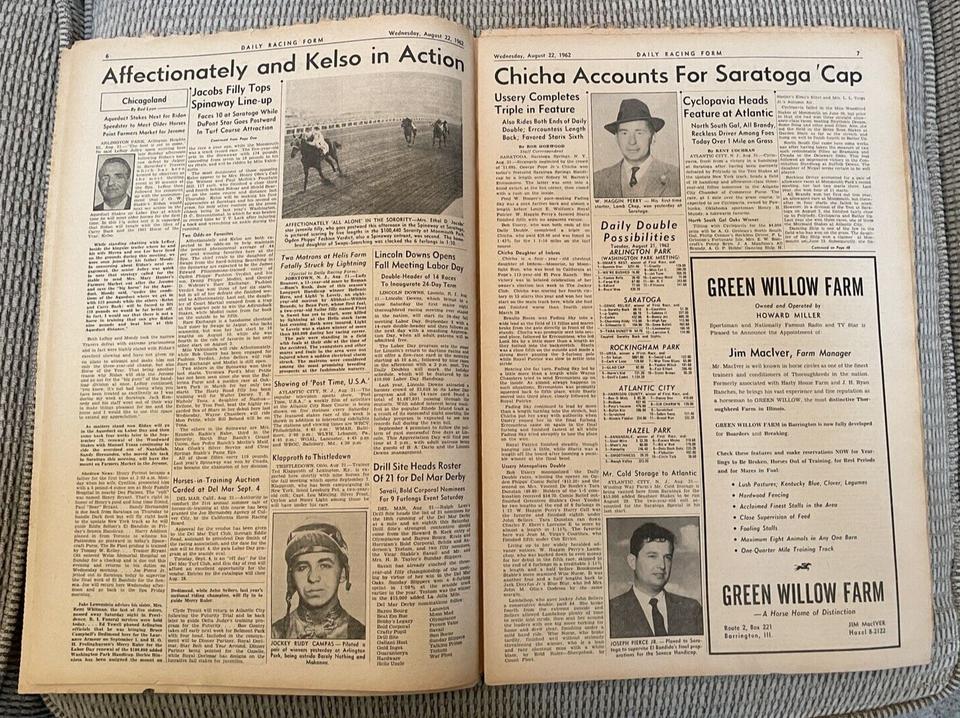
The relationship was practical as much as cultural. Racing produced an enormous amount of information, while newspapers provided a structured way to collect, organize and distribute it. Over time, the racing section became a specialist part of sports journalism, with its own terminology, reporters, statistical information and loyal audience.
Today, that relationship looks very different, but its basic purpose remains the same.
The newspaper as an information hub
A race meeting may last only a few hours, yet it generates a remarkable volume of information. There are race fields, barrier positions, scratchings, weather reports, track conditions, jockey changes, trainer comments, race results, steward decisions and post-race analysis.
Traditional newspapers brought this information together in a form readers could easily access.
The racing section became a daily reference point. It was not simply about reporting who won. It was about helping readers understand what was happening across the racing industry.
That distinction helped create a specialist form of journalism. Racing reporters developed knowledge that went beyond ordinary sports reporting. They had to understand breeding, training methods, race conditions, form lines, jockey tactics and the history surrounding major races.
The rise of the specialist racing journalist
As interest in racing grew, newspapers increasingly relied on journalists who followed the sport closely.
A racing reporter could spend years building relationships with trainers, jockeys, owners, stable staff and race officials. These relationships gave journalists access to information that was not always available through official race results.
A reporter might learn about a horse’s preparation during a stable visit, speak to a trainer after trackwork or observe changes in a horse’s behaviour before a major race.
That created another important function for newspapers: context.
Results told readers what happened. Journalism attempted to explain why it mattered.
A horse returning from injury, a young jockey earning a breakthrough victory or a trainer preparing a contender for a major carnival could become a much larger story than the result alone suggested.
Newspapers helped create racing personalities
Horse racing is built around individuals as well as horses.
Owners, trainers and jockeys can develop strong public identities, and newspapers have historically played an important role in telling those stories.
A major victory can produce interviews, profiles, photographs and historical retrospectives. A rising jockey may become the subject of a feature article. A respected trainer can become a recurring figure in racing coverage.
This storytelling gives the sport a human dimension.
Readers may remember a race because of the tactics used by a jockey, the emotional reaction of an owner or the achievement of a trainer. Journalism turns a sequence of sporting events into a collection of stories that audiences can follow over time.
The arrival of specialist racing publications
As demand increased, racing coverage expanded beyond ordinary newspaper sports pages.
Specialist racing publications offered greater depth. Instead of covering only major events, they could devote substantial space to racecards, form analysis, interviews, breeding information, statistics and industry news.
This created a unique publishing model.
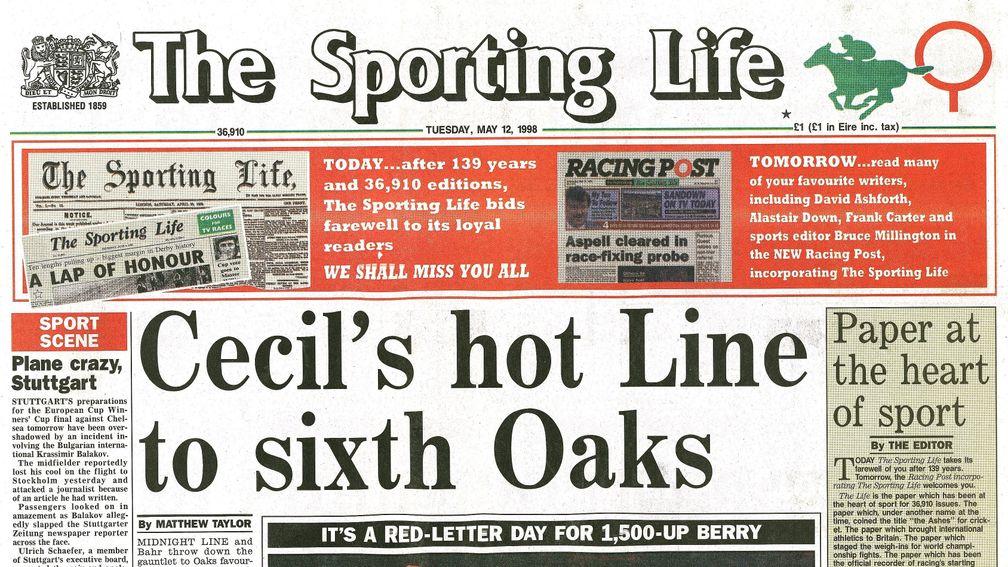
A general newspaper had to appeal to a broad audience. A specialist racing publication could speak directly to people with a deep interest in the sport.
That difference remains important today. Specialist audiences often expect greater detail because they already understand the basic rules of racing and want analysis rather than introductions.
The digital transformation
The internet changed the relationship between racing and journalism dramatically.
Instead of waiting for the next morning’s newspaper, readers could receive information almost immediately.
Race results could be published online within minutes. Scratchings and track-condition updates could be distributed rapidly. Interviews could appear as text, video or audio. Photographs could be uploaded while the meeting was still taking place.
The newsroom itself also changed.
A racing journalist was no longer simply writing for tomorrow’s newspaper. The same reporter might produce a live update, write a preview, record a video interview, update social media and prepare a longer article for the evening edition.
The speed of publication increased, but so did the expectations of readers.
The rise of the mobile audience
Smartphones have made racing information portable.
A reader can follow a meeting from a racecourse, workplace, home or while travelling. Digital audiences can move between written stories, live results, video clips and social posts in seconds.
This has changed the way articles are structured.
Online stories often place the essential information near the top. Headlines need to communicate clearly in a crowded digital environment. Images have become more important. Short updates can lead readers toward longer analysis.
Yet the underlying journalistic responsibility remains.
Speed is valuable, but accuracy is more valuable.
Journalism is now multi-format
Modern racing media is no longer restricted to printed words.
A single story can become an article, a photograph gallery, a short-form video, a podcast discussion, a social media post and a newsletter item.
That creates opportunities for racing publications to reach different audiences without changing the underlying story.
A major race, for example, might generate a traditional race report for a website, an interview clip for social media and a detailed analytical article several hours later.
The media organization becomes a publishing network rather than simply a newspaper.
What has not changed
Despite all these technological changes, the central purpose of racing journalism remains recognizable.

The job is still to find information, verify it, explain it and present it in a way that helps the audience understand an event.
The printing press has become a content management system. The physical racing page has become a website section. The next day’s newspaper story has become a live digital article.
The tools changed.
The need for reliable racing information did not.
And that is why horse racing and journalism remain closely connected. Racing creates an endless stream of events, characters and stories, while journalism gives those moments context, permanence and an audience far beyond the racecourse itself.